Published Articles
Here are the links to many of the articles I have published during my career, organized by topic. Click on the link to read about any of them. I have summarized each of them.
Ph.D. Thesis 1986
Most theses are written in heavy scientific terminology, but I have rewritten my thesis in plain English and included color photos.
The conclusion: Plants that live in more unstable habitats have a greater ability to adjust themselves to those conditions than plants that live in more stable habitats.
Ph.D. Thesis 1986
I completed a Ph. D. thesis at the University of Illinois in 1986. My supervisor was Fakhri A. Bazzaz, who later moved to Harvard. Like most theses, this one was written in scientific jargonese. I have, however, translated it into plain English for you to read here.
Plant species that live in variable habitats have more phenotypic flexibility.
The general ideas of the thesis are that:
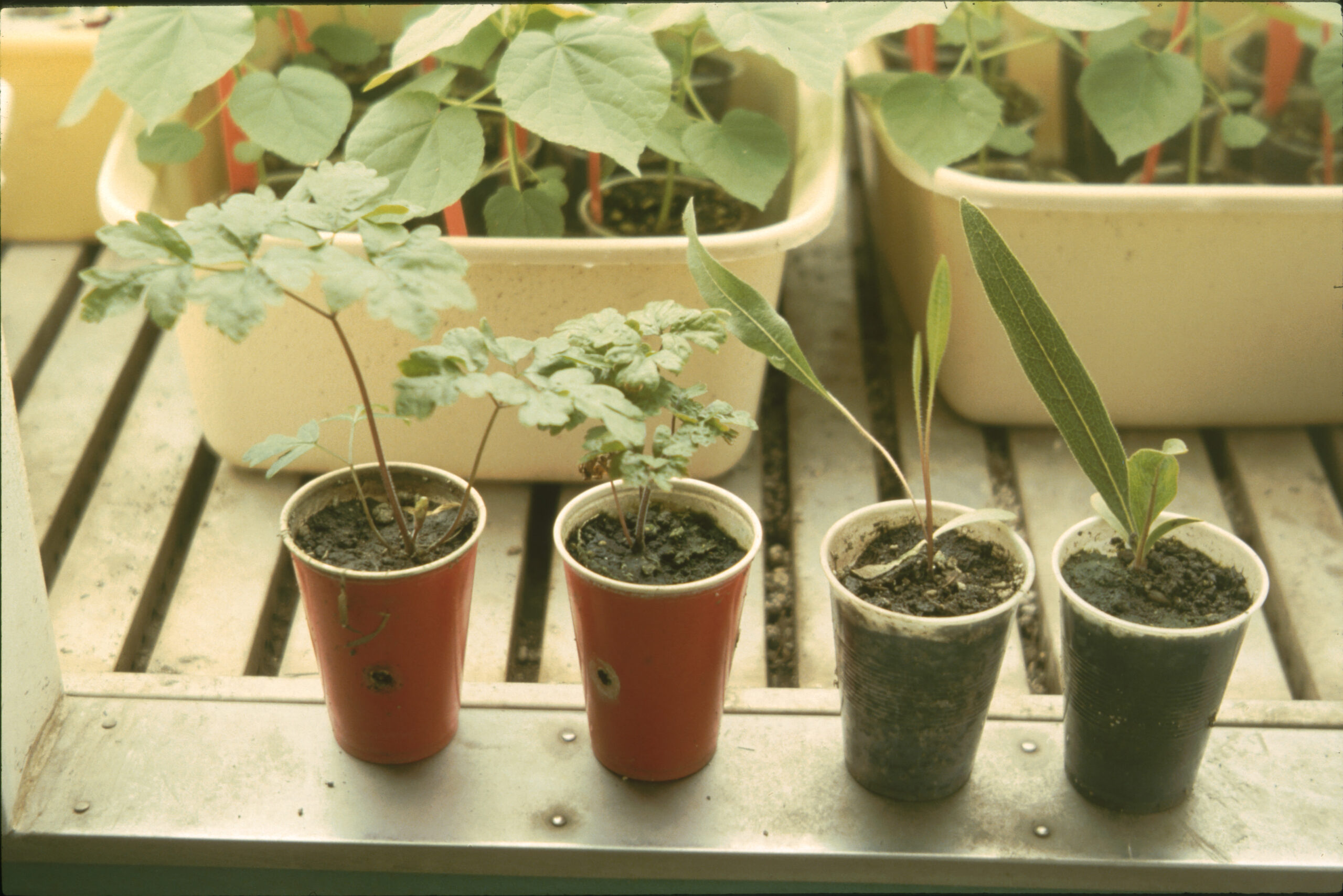
- Plants can develop different characteristics depending on the environment (light, water, etc.) in which they are grown. Everybody knows this, but I came up with a new way of measuring it, using the velvetleaf weed (Abutilon theophrasti) as an example. This ability, which I called phenotypic flexibility, allows plants to grow in a range of environmental conditions—which is necessary because no plant can know or control where its seeds will end up.
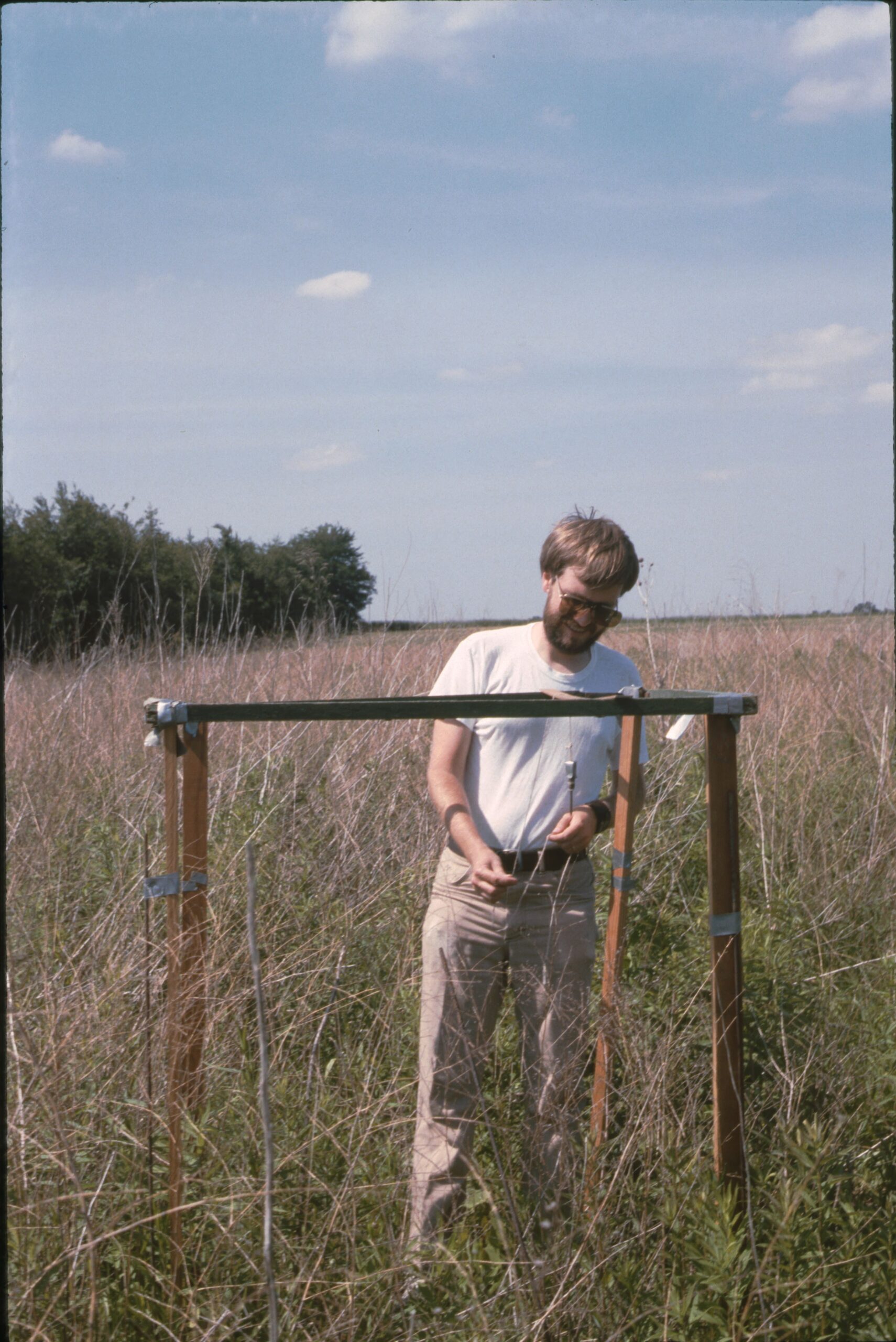
- Natural habitats have wildly variable light and water conditions, but some habitats are more variable than others. I measured light and water variability (using several methods) in abandoned (weedy) farm fields, tallgrass prairies, and forest floors. I demonstrated that weedy fields were more variable than prairies, which were more variable than the forest floor.
- It follows, then, that plant species that live in weedy fields have greater phenotypic flexibility than prairie plant species, which have more flexibility than forest floor plant species. I used twelve herbaceous perennial species—four from each habitat—to demonstrate this.
Point 1 was published in two papers cited here, both published in 1989 in Oecologia and here. Points 2 and 3 remain largely unpublished.
Articles about Alders
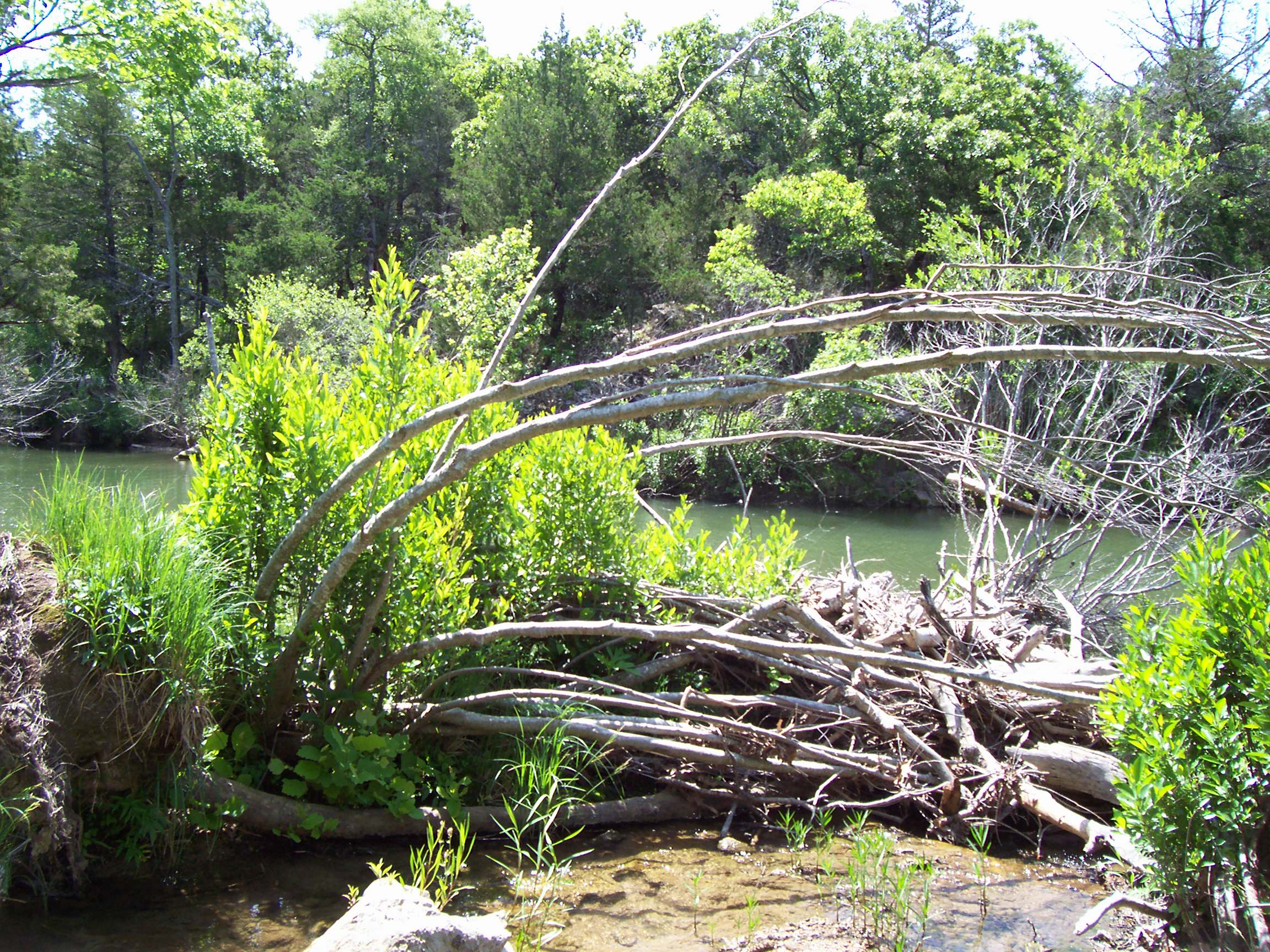
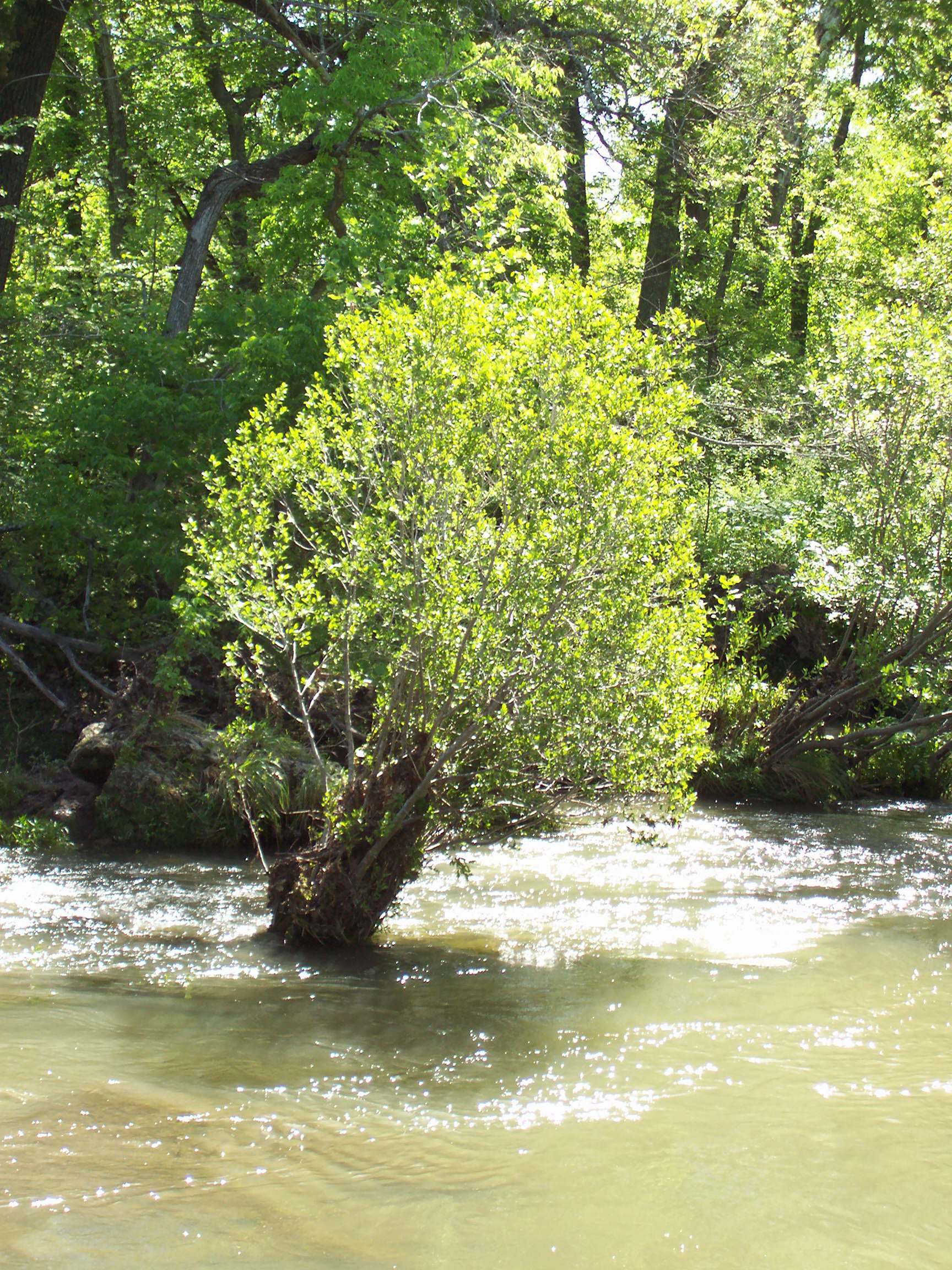
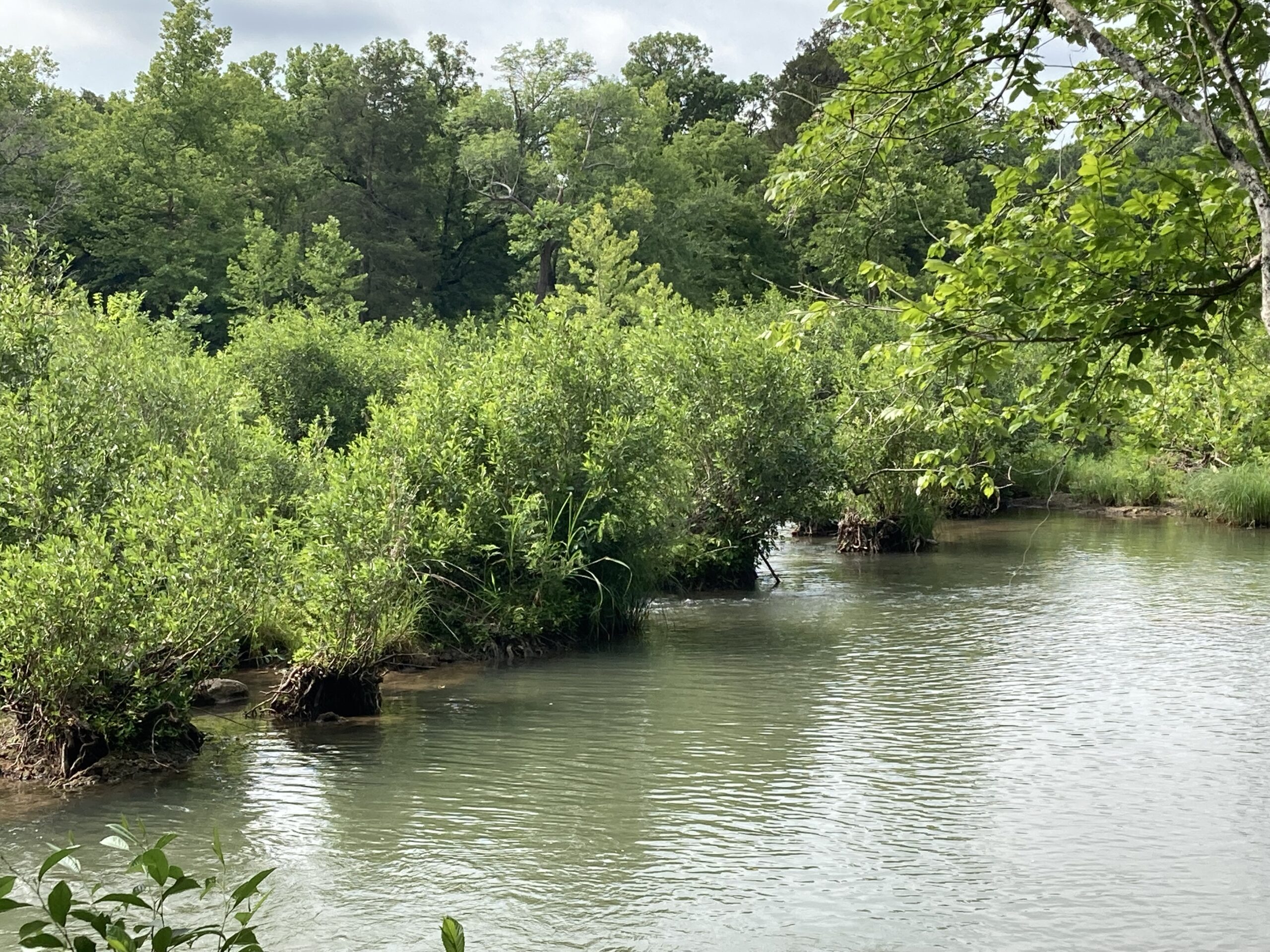
Alders are wonderful and easily-overlooked large shrubs (or small trees) that grow in swamps or along rivers and creeks. Two of these alder species are the rare seaside alder and the abundant hazel alder.
I have concluded that the seaside alder is rare because it cannot grow as well in shade conditions as the hazel alder.
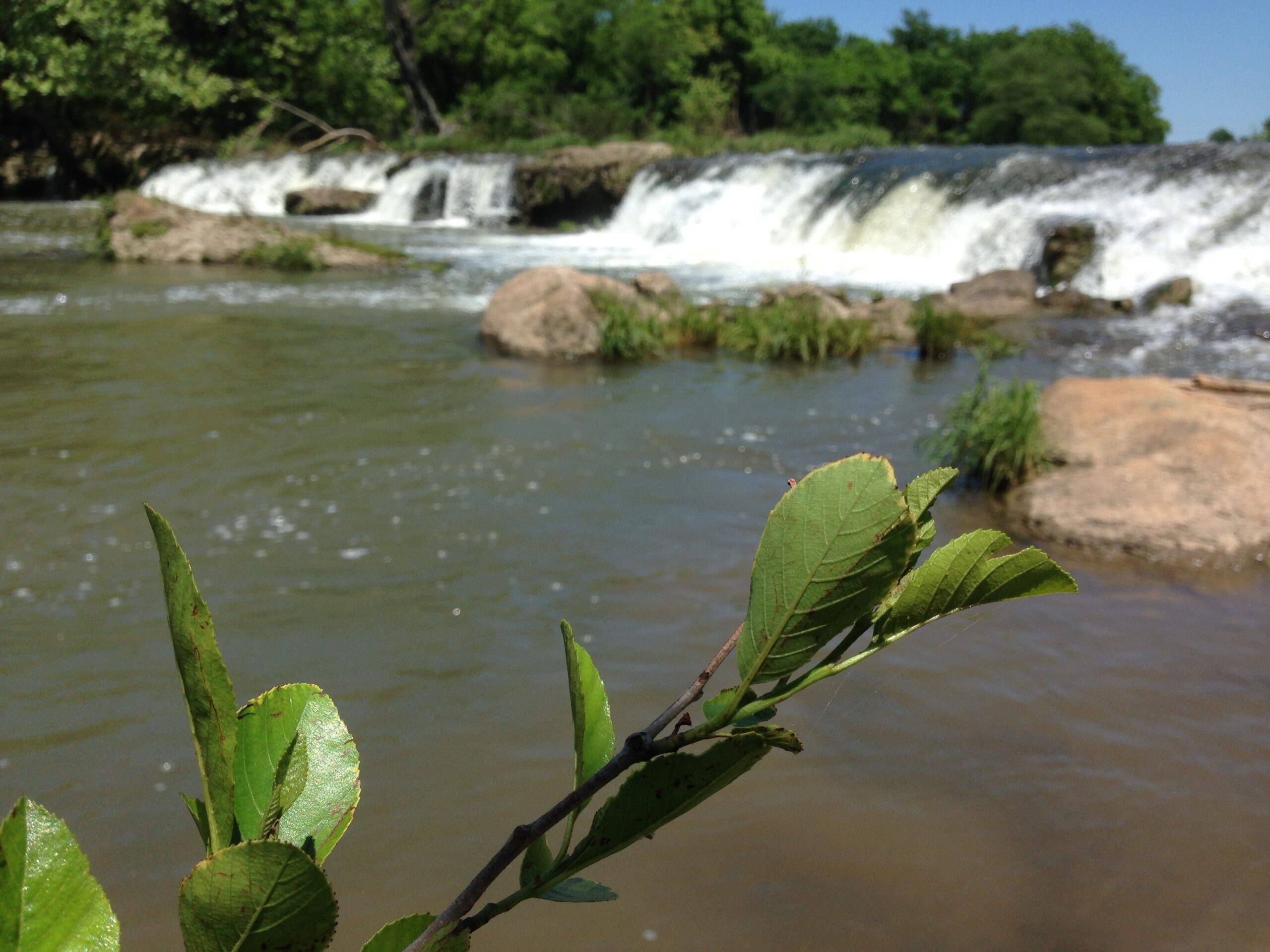
I did a lot of research about the seaside alder (Alnus maritima), a species of small tree that grows in swamps or along rivers in North America. It is extremely rare and grows only in three tiny populations: in Delmarva (Delaware, Maryland, and Virginia), in Oklahoma, and in Georgia. I wanted to know why it was so rare, even though a similar alder species, the hazel alder (Alnus serrulata) grows widely all over wet areas in eastern North America. I worked with collaborators such as Phil Gibson at the University of Oklahoma, and Jim Schrader and Bill Graves at the University of Iowa.
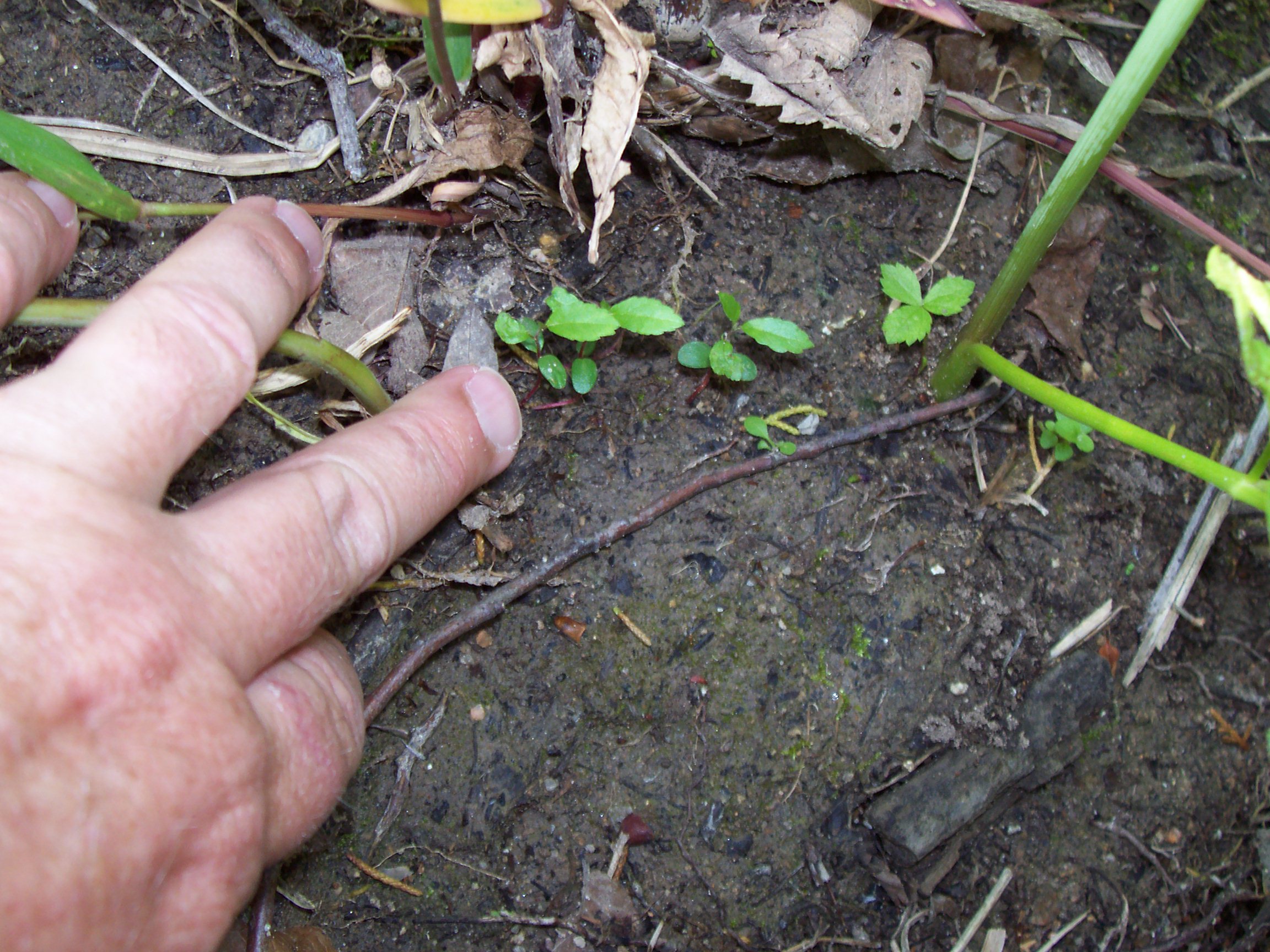
Is the seaside alder rare because there are very few seedlings in wetland areas? The adult trees produce thousands of seeds but I could find only a few seedlings along the Blue River in Oklahoma. Click here for the 2009 article in Oklahoma Native Plant Record.
The seaside alder is rare even though it has plenty of genetic variability? Even though it is rare, the seaside alder has as much genetic variability as the common species. Click here for the 2008 article in American Journal of Botany.
We decided the seaside alder was rare because it cannot tolerate shade as well as the hazel alder can. Seeds of both species germinate very well in wet, sunny gravel. But trees much larger than alders can grow in wet, sunny gravel. These big trees (such as oaks and maples) shade out the alders. More seaside alders die in the shade than do hazel alders. Click here for the 2006 article in International Journal of Plant Sciences.
The popular magazine Oklahoma Today also published a short article about the seaside alder.
Article about Global Warming
Global warming is something that is already changing the world in a way that will make human civilization difficult. One indicator of global warming is that buds open sooner in the spring than they did previously. Here you will see the evidence.
It is difficult to think of a more important scientific topic today than global warming. The Earth is getting warmer far more than it ever did in the past by natural climatic variation, and the reason is clear: humans are putting massive amounts of carbon dioxide into the atmosphere. There are many consequences of this, for the natural world and the human world (for example, food production). The subject could fill an encyclopedia; as a matter of fact, I was under contract to write the Encyclopedia of Global Warming for Facts on File, but they discontinued the project before I had written any actual entries, just the overview.
Every scientist and scholar, except for fringe people who are either dedicated to extremist politics or paid by corporations, accept the reality of global warming and its human cause. Even many Republicans accept it, although most of them have now been kicked out of the Party. Even Exxon-Mobil accepted it decades ago, until they repudiated their own research for political reasons. The United States is the only major country in the world in which the government opposes the science of global warming. First George W. Bush, then Donald Trump, removed global warming from government websites. Other countries, such as in Europe, know that they can no longer trust American scientific information about global warming.
One reason for this worldwide acceptance of the science of global warming is that it is confirmed by the convergence of many different lines of research. Fields as different as meteorology, geology, and biology all confirm that global warming is real. One small area of research is one in which I was involved: phenology, which is the seasonal patterns of biological activity. In particular, deciduous trees lose their leaves every autumn and open new buds in the springtime. In recent decades, with global warming, tree buds have been opening earlier and earlier in the spring.
Many different sets of data confirm this. Many of them result from satellite measurements which show that forests turn green earlier every spring. Some are based on direct observations of trees and other plants. I have a data set that I worked on for sixteen years and that had over six thousand data points. These observations showed that, in my sample of deciduous trees, budburst occurred about a day earlier every year from 2006 to 2021. There are two particular points in which my data set is important. First, they come from Oklahoma, near the southwestern extreme of the deciduous forests, while most data sets are from the northeast United States or from Europe. Second, my data are longitudinal; that is, I kept track of the same trees for sixteen years.
If my observations were different from everyone else’s, they might be suspect. But my conclusions are the same as those of nearly everyone else who has studied the changes in spring budburst resulting from global warming. As such my conclusions are not particularly surprising, except that the fact that the trees opened their buds a day earlier each year much surpasses most studies, in which budburst occurs a day earlier each decade.
I have posted an article based on this research here. This shows clearly that budburst is occurring earlier each spring in Oklahoma, consistent with global warming. In this article you will find some color photos of buds.
There is a limit to which global warming can cause spring budburst to occur earlier. Buds that used to open in March can open in February, but how about January? December? Deciduous trees require a winter, even if it is a mild one, to prepare their buds for opening. That is, they have a chilling requirement. Working with Sonya Ross, I did an experiment that demonstrated that sweetgum (Liquidambar styraciflua) had less of a chilling requirement than sycamore (Platanus occidentalis), which had less of a chilling requirement than pecan (Carya illinoiensis). Because of this, sweetgum buds opened earliest, and pecan buds latest, in the spring. In addition, sweetgum buds opened earlier in the spring (about a month earlier from 2006-2021) than did pecan buds (about a week earlier). In fact, sweetgum appeared to have no chilling requirement for budburst. If global warming goes so far as to eliminate winter from Oklahoma, the sweetgums might do just fine, while the pecans will find their buds repressed in the spring. The article appeared in the 2014 issue of Oklahoma Native Plant Record, 43-49.
Fire and Seed Germination
Some seeds require exposure to smoke chemicals in order to germinate. These are usually plant species that grow in the chaparral, but I found one that grows in the deciduous forests of Oklahoma.
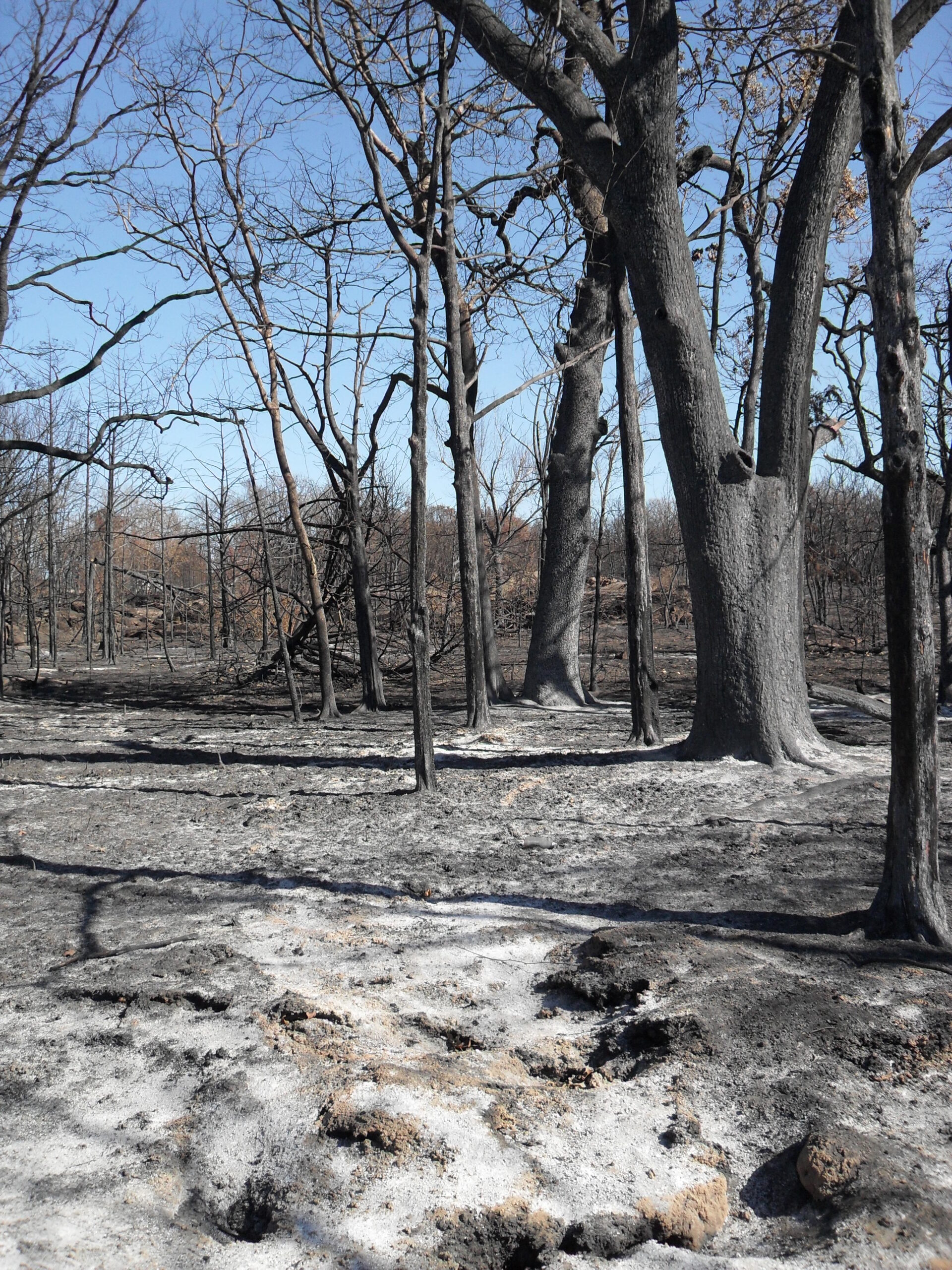
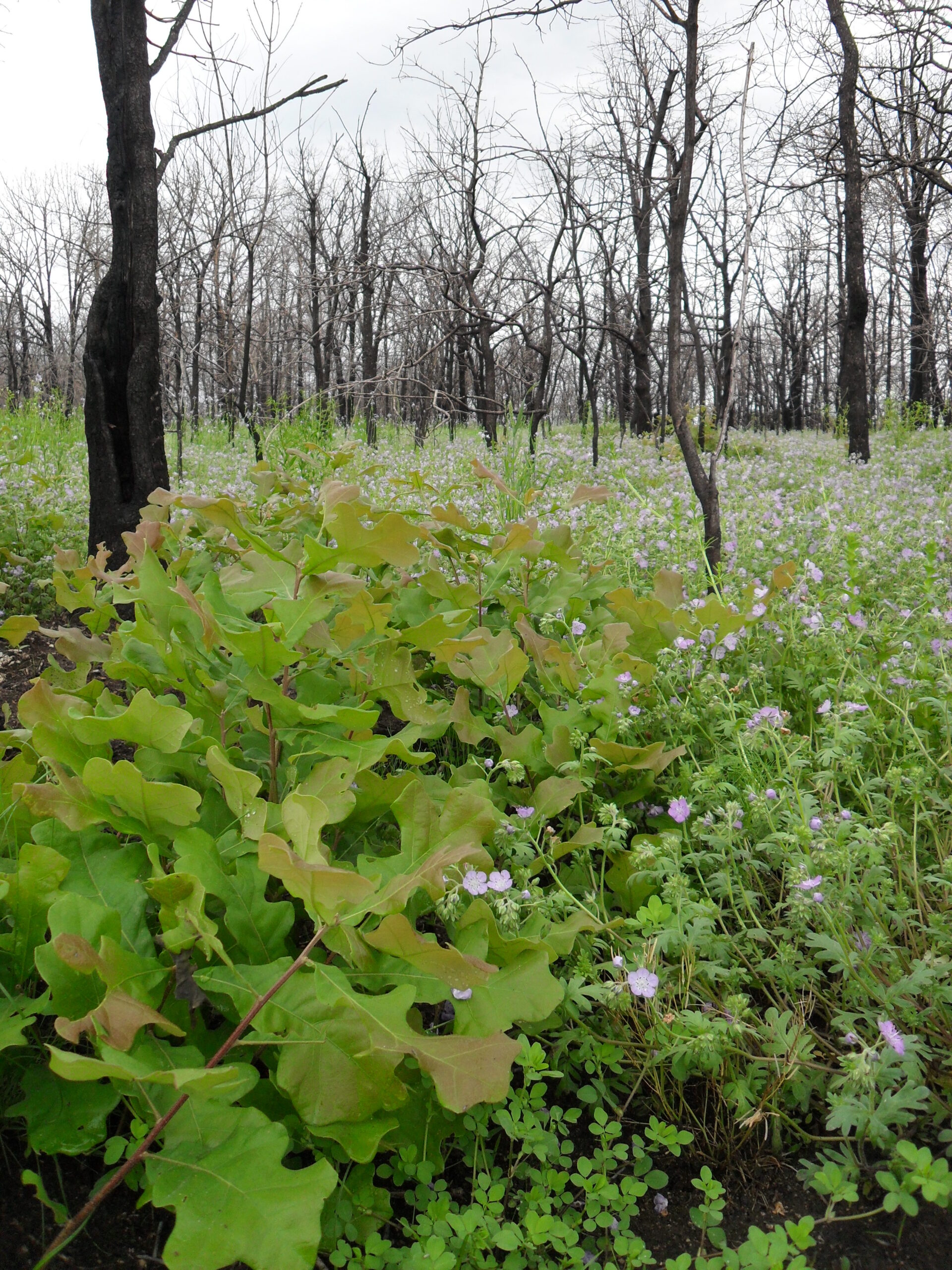
In 2011, a big fire burned a cross-timbers (oak) woodland near one of my alder study sites. In spring 2012, the burned area was covered with a thick blanket of wildflowers, almost all of them a purple flower known as Phacelia strictiflora. I wanted to know why this had occurred.
When a fire passes through a forest or prairie, it changes many things that are important to the plants that come later, not just to the ones that get burned. With the dominant vegetation gone, there is more light, the soil becomes warm earlier in the spring, and there is a flush of nutrients from the ashes. But these same things occur when a big tree falls over in a forest. But one thing that does not happen from any disturbance other than a fire is that the smoke contains certain chemical compounds that may induce the germination of plant species that were, previously, rare. Phacelia strictiflora had been present before the fire, but was rare. Is there some chemical in the smoke that triggers massive seed germination in this plant?
Working with Sonya Ross, I showed that the seeds of Phacelia strictiflora would almost never germinate unless they were exposed to water through which smoke had been bubbled. The germination of this species depends on smoke. This phenomenon is known from many plant species that live in fire-cycle habitats such as the southern California chaparral, including a closely-related species of Phacelia, but has not previously been reported from the midwest of the United States. We published an article about this on pages 48-54 of the 2013 issue of the Oklahoma Native Plant Record.
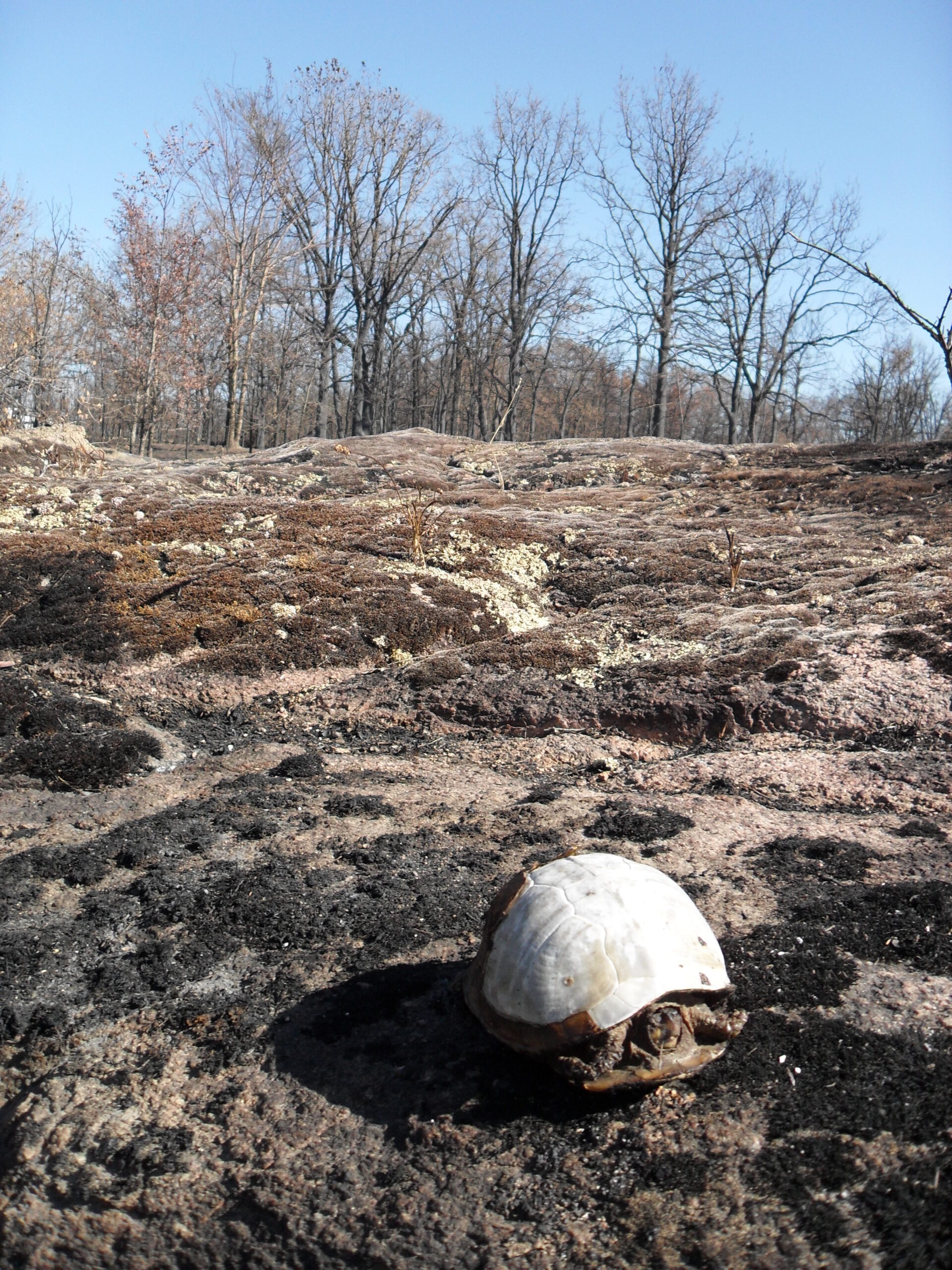
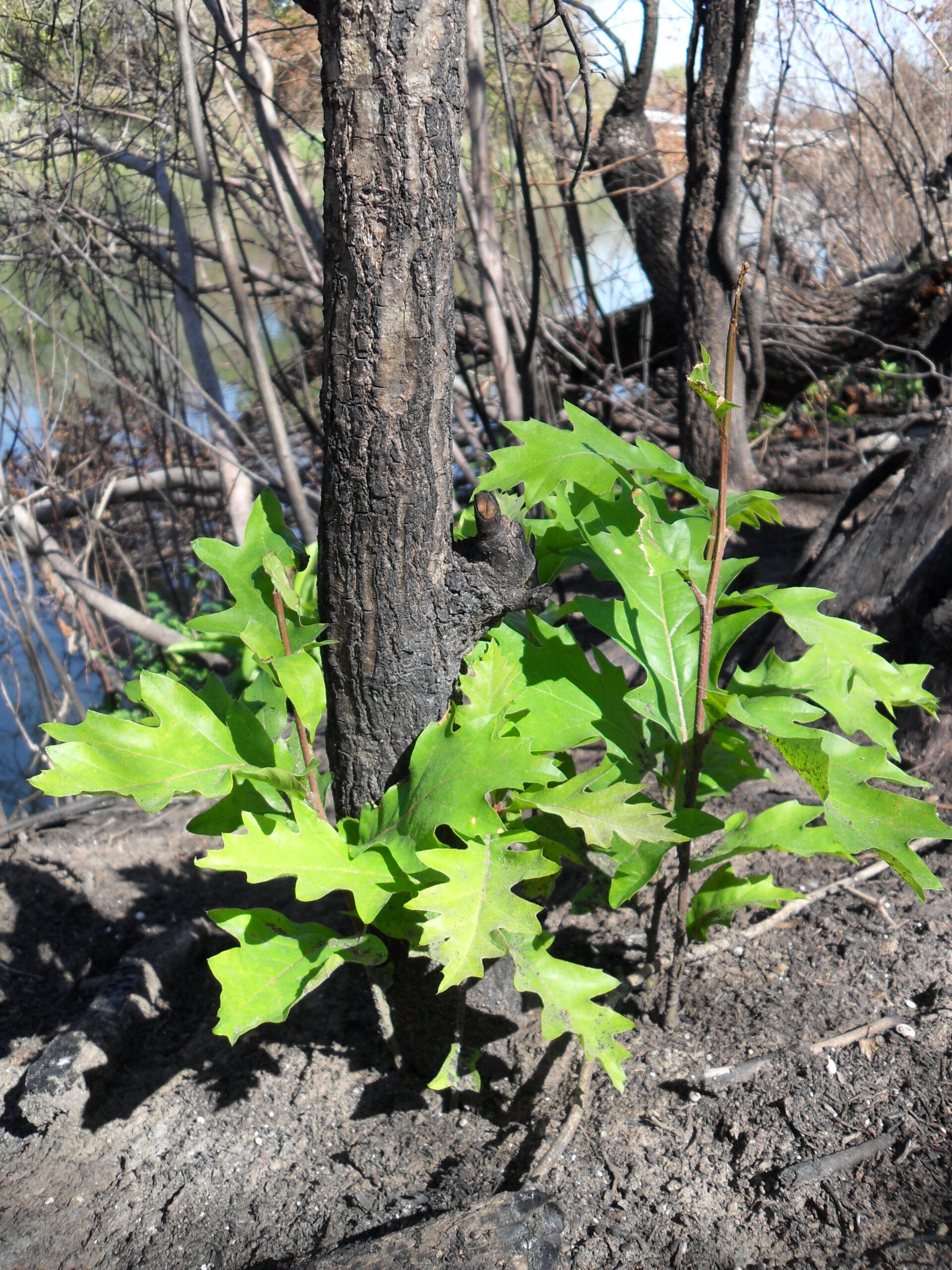
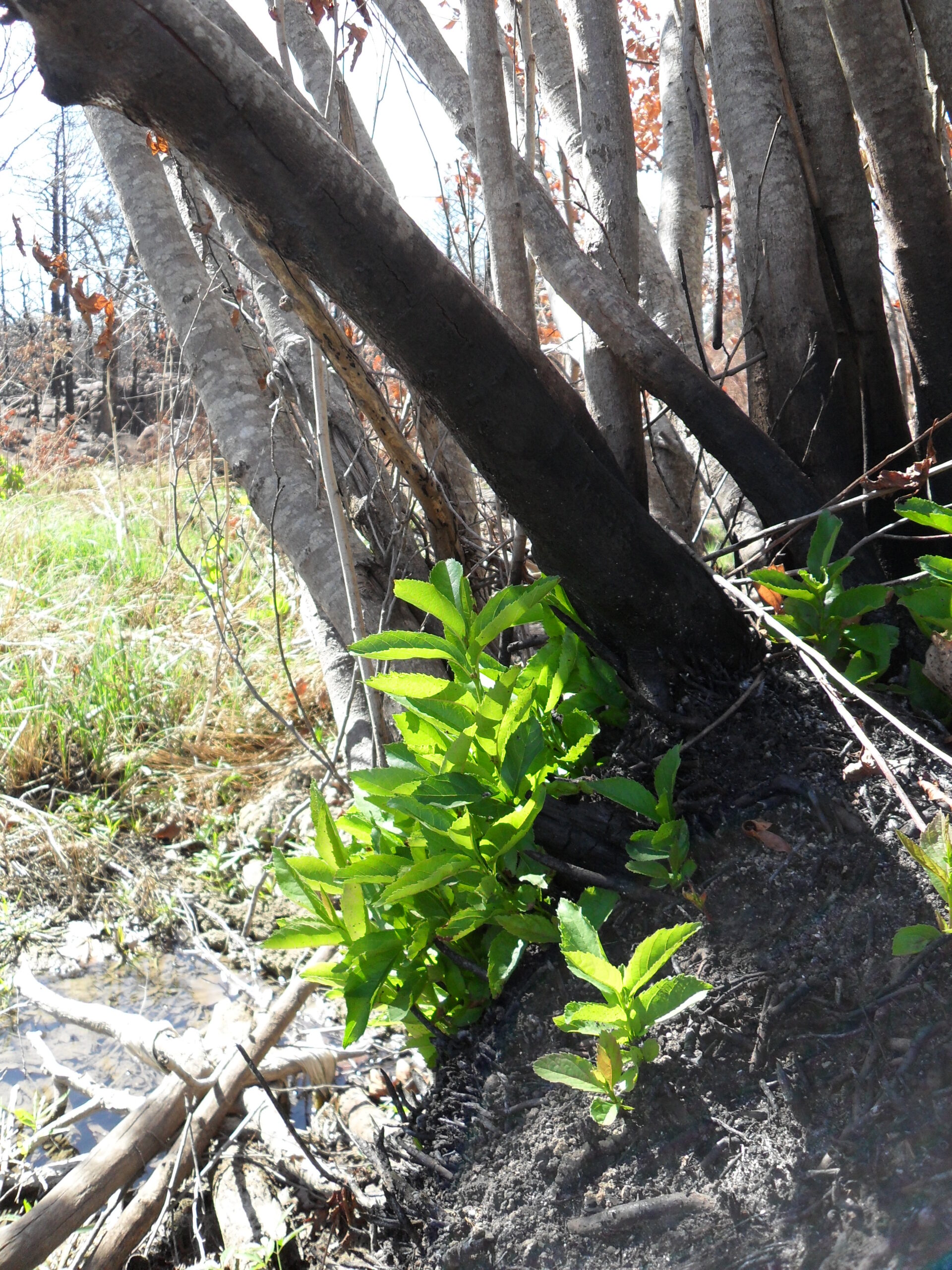
In the article, you will find some color photos of the wildflower explosion. Here, I post a few photos of the post-fire forest.
Fire Ants
I showed that fire ants (an extremely abundant invasive species in the southern United States) might affect the reproduction of the plant species.
Shortly after moving to Oklahoma in 1998, I inquired about university field sites for research. I was told the university had access to land owned and controlled by the Army Corps of Engineers around Lake Texoma. What’s out there, I asked. Fire ants, was the answer.
So I decided to study fire ants. Being no expert, he worked with one: J. T. Vogt, who was at the time at Oklahoma State University. I assisted J.T. in research on what the fire ants actually ate, which included insects as well as seeds. The results were published in 2002 in Environmental Entomology, 2002, 47-53. Though a lot of people are afraid that fire ants will attack ground-nesting birds and newborn animals, or even humans, the evidence for this is based on stories, which may be true.
I wanted to know what effects fire ants might have upon the natural vegetation. In an experiment designed by J.T., my student Steve Armstrong put seeds of different native species of plants in a covered pie dish, into which fire ants had free access to the center through a little tunnel. How to make sure the ants came into the dish? Don’t worry, they will find their way in. They did, and they vastly preferred the seeds of lemon beebalm (Monarda citriodora) to the others. The results were published in the Journal of Entomological Science in 2003 (volume 38, 696-698).
Stan started a long-term project with collaborators Erica Corbett, Luke Bell, and Diana Bannister. They made detailed measurements of which species were present in fire-ant infested field sites in 2003. The Agricultural Extension then applied pesticide to half of these sites, to see if the plant cover would differ in the ant-free and ant-infested sites. However, the rising waters of the lake flooded the field sites in 2007, bringing the project to an end.
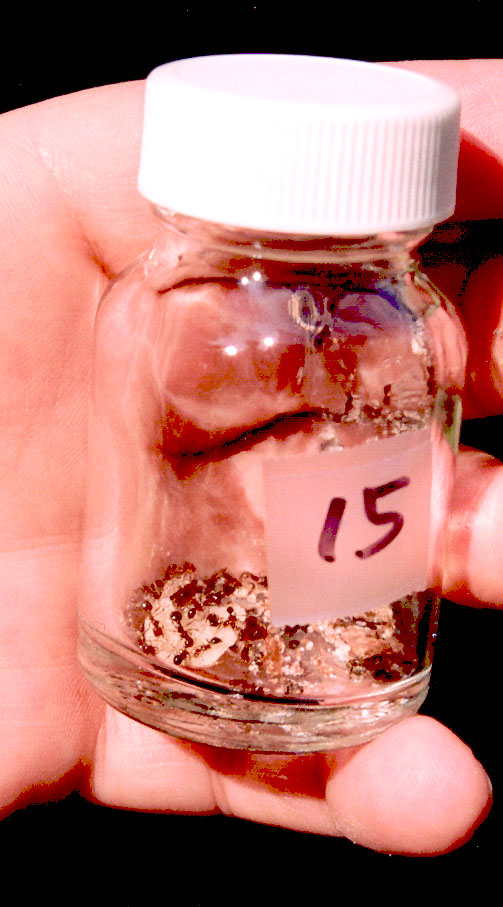
I present here some photos from this research:
Creative Ways of Teaching
I did not like having my students go through rote laboratory activities in which they just looked at microscope slides. I wanted them to do realistic scientific research. I published a number of articles about the lab projects I came up with. Instructors all over the country tried them out and liked them.
Research Presented But Not Published
This includes studies of sexual selection in plants and wood porosity in trees that grow at different rates.
Articles (Serious and Humorous) About Creationism
The very common and extreme forms of creationism are so silly that the best way to deal with them is through intelligent humor, as in these articles.