Non-Fiction
Scientific knowledge is not just a private pleasure. It is something to be shared.
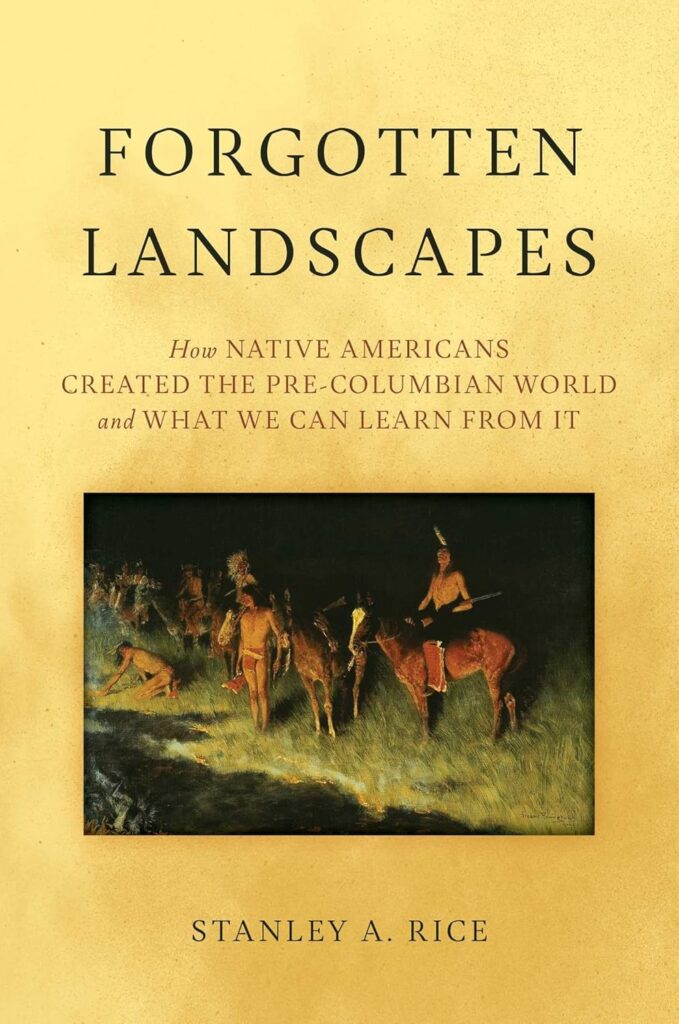
Forgotten Landscapes
Rediscover the thriving civilizations of Pre-Columbian America and learn how Native ingenuity transformed the landscape into a flourishing world we can still learn from today.
North America was not empty nor were its inhabitants savages when Europeans arrived in 1492. Quite the opposite, North America was thickly populated by indigenous people who lived in clean cities, had a thriving economy, and transformed the landscape into bountiful productivity. Forgotten Landscapes reveals the incredible extent to which Native Americans manipulated and shaped their surrounding environs through agricultural practices and urban engineering, resulting in one of the most prosperous civilizations of their time.
Well before European contact, North American cities and villages were bound together by an intricate trade network. Today, Spiro Mound in rural Oklahoma is a few piles of dirt, not on the road to anywhere. But at the time of the Mississippian civilization, about a thousand years ago, it was one of the largest cities in the world. With the controlled use of fire, Native Americans had transformed thick forests into open woodlands and expanded the ranges of prairies. Through organized hunting, Natives controlled the populations of prey animals such as passenger pigeons, and when Native populations grew large enough, they developed agriculture including irrigated crops, and even orchards.
In this fascinating and overdue book, author Stanley A. Rice shows readers the Pre-Columbian landscape of America that has been largely forgotten.
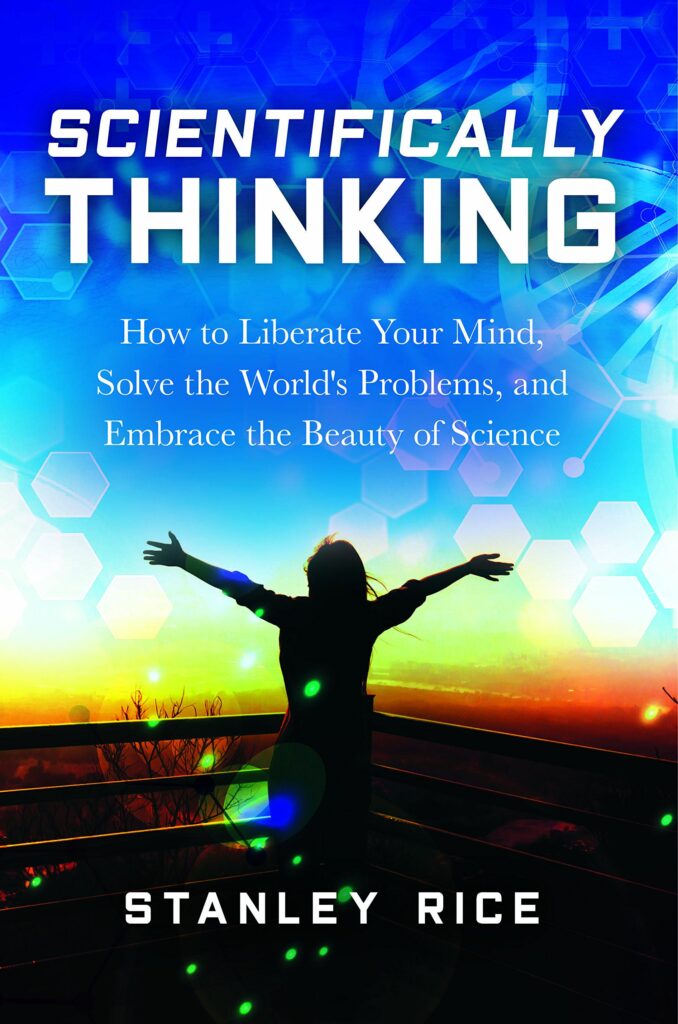
Scientifically Thinking
Shows the many advantages of thinking like a scientist and argues that today’s problems require a scientific approach. You don’t have to be a scientist to think like a scientist. Anyone can do it and everyone should. This book will show you how. The advantages are many: from detecting bias to avoiding error and appreciating the richness of the world. Author Stanley Rice, himself a scientist, explains that science is essentially organized common sense. While the brain is hardwired for common sense, unfortunately, it also relies on a number of misleading tendencies. Instead of reasoning objectively it tends to rationalize. Often it sees what it wants to see rather than what is really there. And it is adept at both self-deception and deceiving others. Rice notes that these tendencies were useful in the past as the human race evolved in an often-hostile environment. But today bias and delusions put us at risk of worldwide catastrophe. The author invites readers to participate in the adventure of scientific discovery. He provides many interesting and humorous examples of how science works. He shows how hypothesis testing can be used to tackle everyday problems like car trouble or seeing through the specious appeal of a fad diet. Beyond practical applications, science meets the basic human need to satisfy curiosity: it tells verifiable stories about the universe, providing humans with fascinating narratives supported by testable facts. The author also explores some of science’s biggest ideas, including natural selection (creating order out of randomness) and interconnectedness (Earth’s systems are intricately intertwined).
Read this book and learn to think like a scientist. It will guard you against being manipulated by politicians, corporations, and religious leaders, and equip you to deal with the world’s most pressing problems. And you will have a lot of fun doing it.
As a professor, Stanley Rice created a couple resources to go along the book to help students and readers solidify their learning. You can download those resources for free.
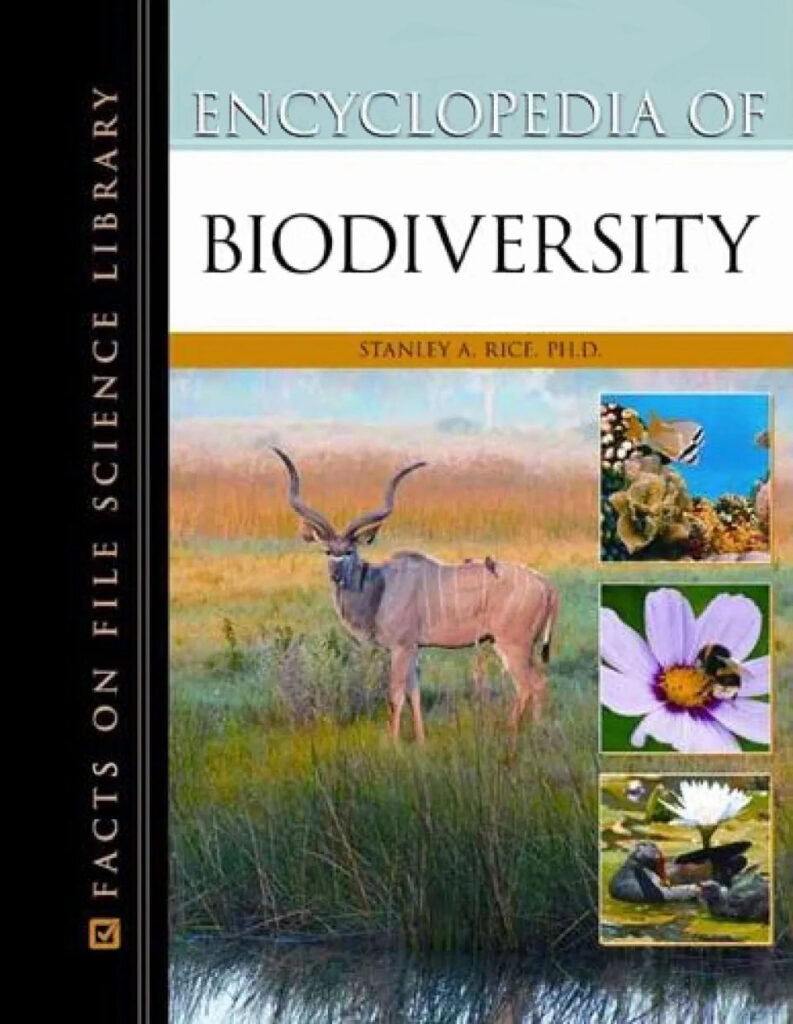
Encyclopedia of Biodiversity
The United Nations Convention on Biological Diversity defines biodiversity as “the variability among living organisms from all sources, including terrestrial, marine, and other aquatic ecosystems, and the ecological complexes of which they are part,” including diversity within and between species and of ecosystems. As a result of advances in technology and research and through legislation, the scope of the science continues to expand. The Encyclopedia of Biodiversity is a comprehensive full-color resource that illustrates the contributions to the worldwide environment of “healthy” species and the ecological communities in which they live and the importance of preventing existing species from extinction.
The encyclopedia features more than 150 cross-referenced entries – most concluding with sources for further reading – that detail a subject’s significance and its relation to biodiversity. Encyclopedia of Biodiversity includes five essays, interspersed throughout the text, that discuss the prodigious number of species worldwide, the co-evolution of species, the economic benefits from ecosystem services, and other topical issues.
The encyclopedia also includes a breakdown of the entries by National Science Education Content Standards, grades 9 through 12, and four helpful appendixes – a chronology, a glossary, a bibliography of print and Web resources, and a chart that outlines the myriad characteristics of different groups of organisms – as well as an extensive index. The Encyclopedia of Biodiversity is an indispensable publication that will meet the specific demands of students, laypersons, and working professionals with an interest in this interdisciplinary field.
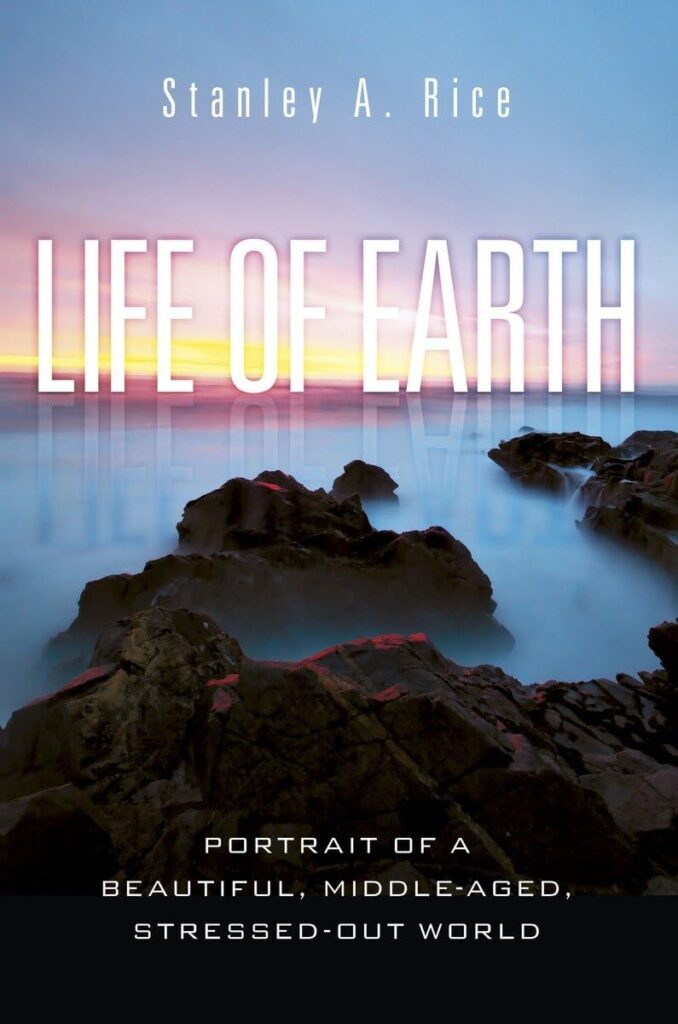
Life of Earth: Potrait of a Beautiful, Middle-Aged, Stressed-Out World
In this portrait of Planet Earth-at just about the mid point of its probable lifespan-a biologist discusses the evolution of the network of life and the crucial role played by humans in determining the future of our world.
Unlike most books on earth history, which present the story of life on our planet in terms of one chronological period after another, the author discusses Earth’s teeming diversity in terms of pivotal evolutionary developments. Among these he stresses the importance of symbiosis, sex, and altruism as key determinants of the Earth’s biodiversity. Symbiosis-when single cells began working together-sparked the sudden appearance of complex animals. Much later symbiotic relationships led to flowering plants that depended on animals for pollination and seed dispersal. With the advent of sexual selection, there developed an astonishing world of complex behavior and a dizzying array of life forms. In humans, sexual selection exerted a great influence on the development of our large brains. Altruism-when species learned to work together-resulted in even greater variety and complexity. In early humans, altruism gave rise to ever-widening social circles and the spread of culture. The author also discusses the role of photosynthesis in establishing and maintaining life on earth; the evidence for ancient natural catastrophes, which caused widespread extinctions; and the importance of religion and the recent use of scientific reasoning in the development and the future of the human species. This eloquent, panoramic perspective is well designed to foster an appreciation for the scope of life on Earth and to encourage wise stewardship of the natural world on which our survival depends.
Green Planet: How Plants Keep the Earth Alive
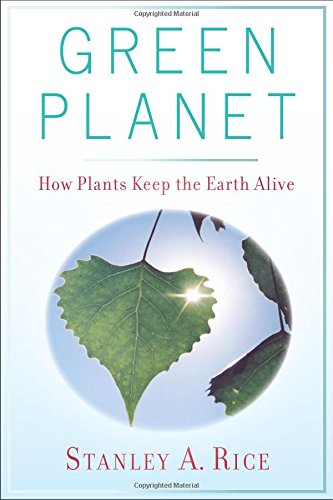
Plants are not just a pretty part of the landscape; they keep the entire planet, with all of its human and nonhuman inhabitants, alive. Stanley Rice documents the many ways in which plants do this by making oxygen, regulating the greenhouse effect, controlling floods, and producing all the food in the world. Plants also create natural habitats for all organisms in the world. With illustrations and clear writing for non-specialists, Green Planet helps general readers realize that if we are to rescue the Earth from environmental disaster, we must protect wild plants.
Beginning with an overview of how human civilization has altered the face of the Earth, particularly by the destruction of forests, the book details the startling consequences of these actions. Rice provides compelling reasons for government officials, economic leaders, and the public to support efforts to save threatened and endangered plants. Global campaigns to solve environmental problems with plants, such as the development of green roofs and the Green Belt Movement—a women’s organization in Kenya that empowers communities worldwide to protect the environment—show readers that efforts to save wild plants can be successful and beneficial to the economic well-being of nations.
Through current scientific evidence, readers see that plants are vital to the ecological health of our planet and understand what can be done to lead to a better—and greener—future
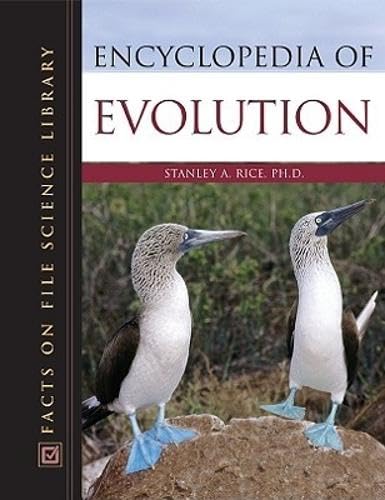
Encyclopedia of Evolution
Fiction and Poetry
Enjoy some of Stanley Rice’s less scientific books. Spanning a variety of topics and genres, he wrote those with the same dedication and passion. He finds his inspiration in his travels, his origins, his experiences and imagination.
Novel Series
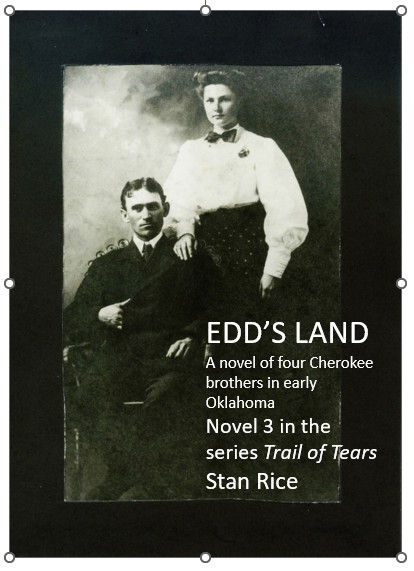
Trail of Tears: Novels of Cherokee Identity


Novels





Short Stories